Untitled design - 2026-04-17T121011.123

Earth Day at Gloria Ferrer

A Commitment to the Land

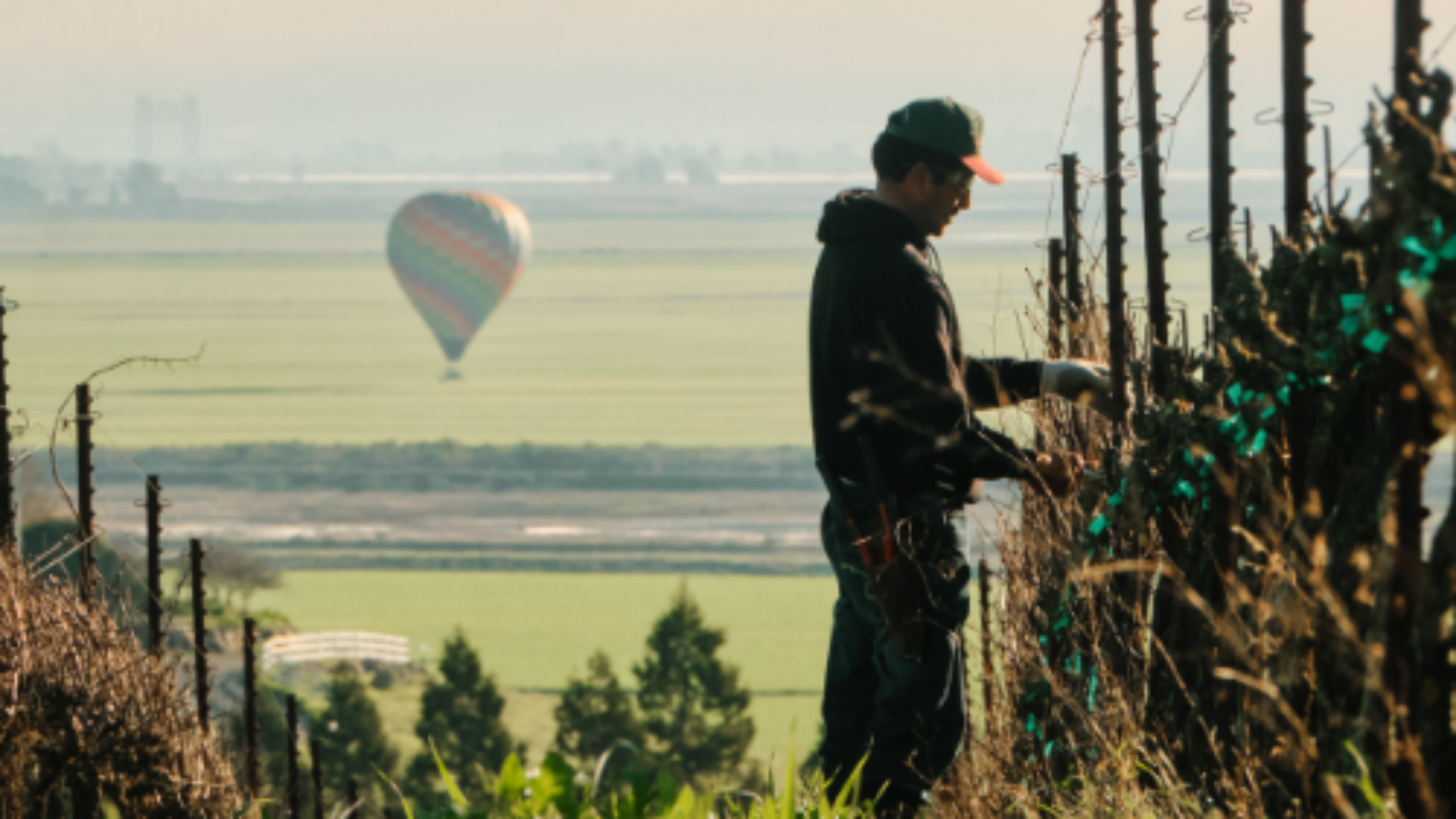
April 22nd is a reminder of something we have always believed. Great wine begins with how you care for the land. At Gloria Ferrer, that responsibility has guided us for nearly 40 years. Farming in Carneros is not simply about growing grapes. It is about stewardship, understanding the land, respecting its rhythms, and making decisions that ensure it continues to thrive long into the future. Earth Day gives us a moment to pause and reflect on that responsibility. More importantly, it reinforces the way we work every day.

A Milestone Years in the Making

This year, Earth Day carries even greater meaning.
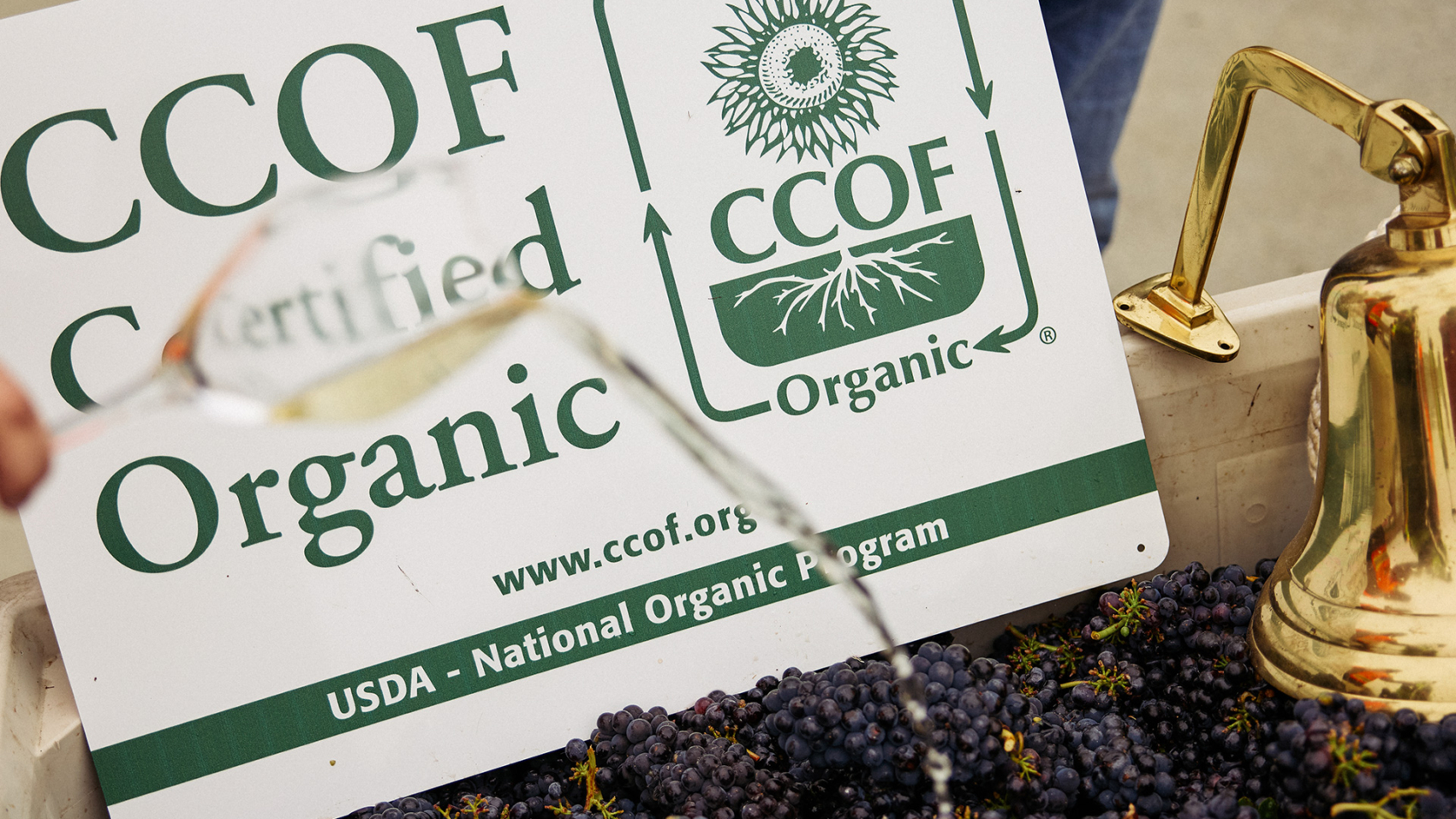
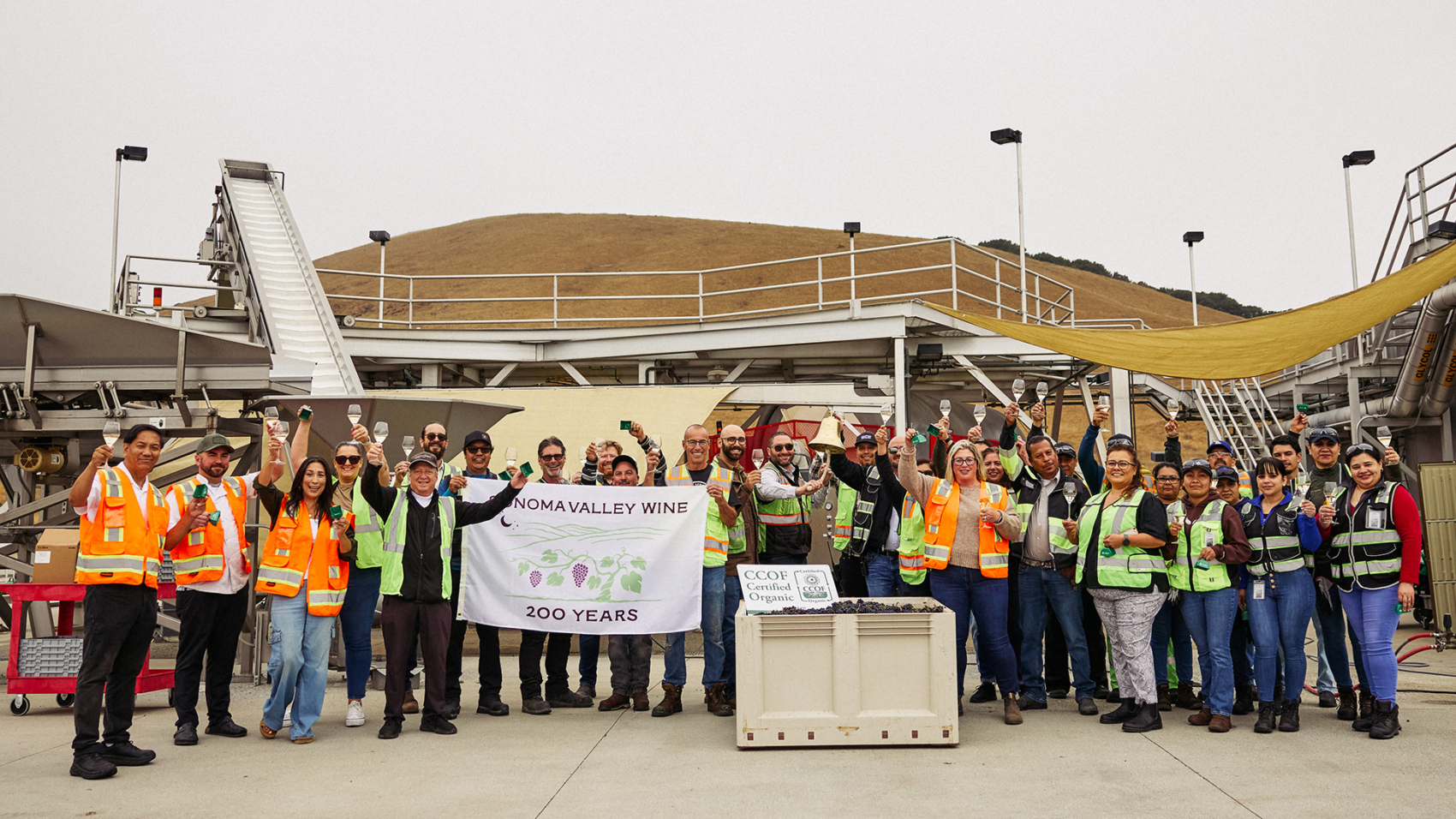
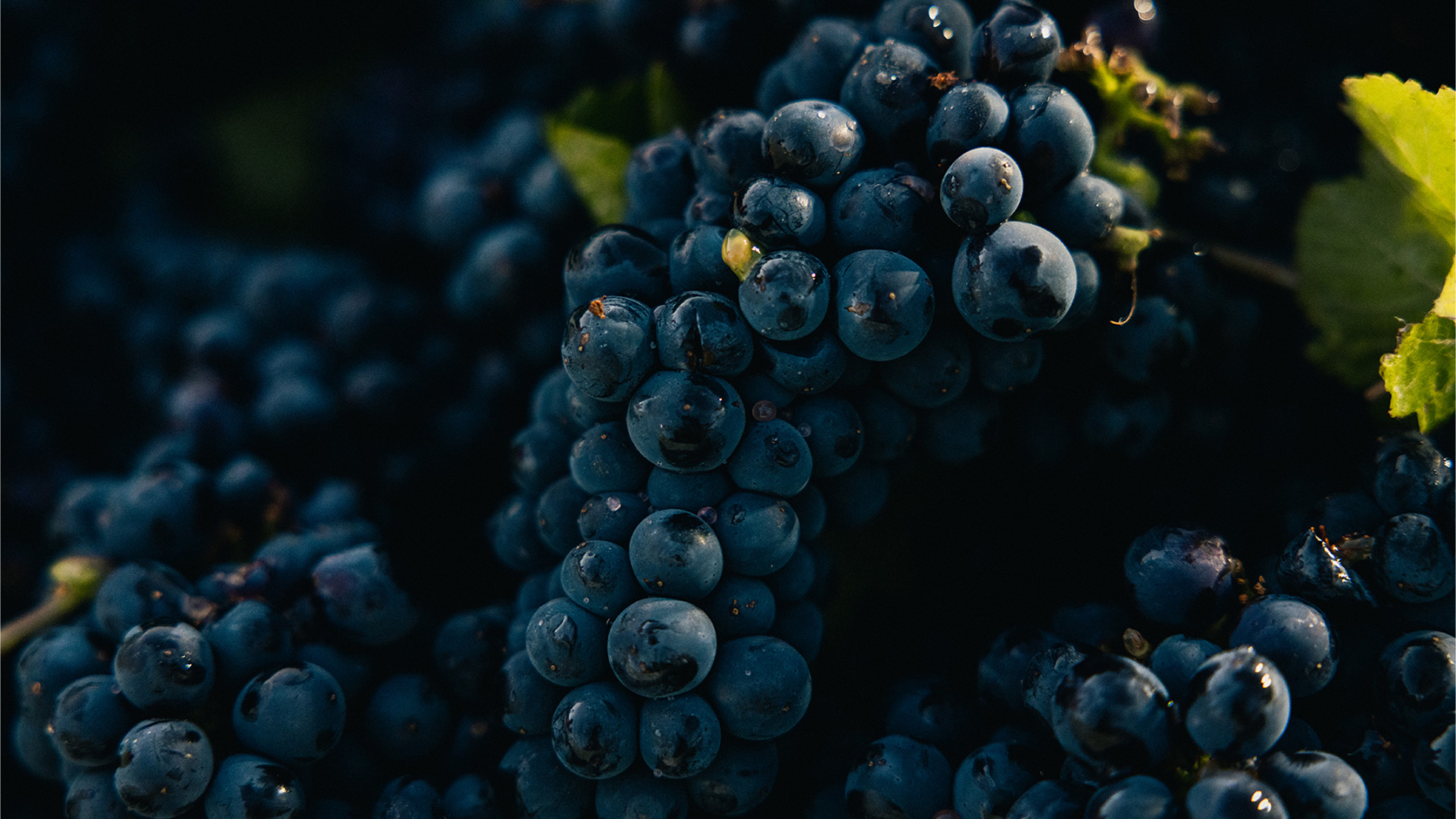
We are proud to release our first wine made with 100% certified organic grapes, the 2025 Pinot Blanc, a milestone that represents a five-year journey of dedication, patience, and discipline.

Transitioning to certified organic farming required us to look deeper at every aspect of our vineyard practices. It meant committing to a long-term vision, trusting the process, and holding ourselves to a higher standard, one that prioritizes the health of the soil, the balance of the ecosystem, and the integrity of the fruit. Alongside this achievement, our estate vineyards remain Certified Sustainable, reflecting a broader, ongoing commitment to responsible farming practices that support both the environment and our community.

How We Farm Matters

Our philosophy is grounded in thoughtful, intentional farming, where each decision is made with care and purpose:

  • Organic farming, eliminating the use of all synthetic chemicals and pesticides from our vineyards
  • Minimal intervention, allowing the vineyard to express itself naturally
  • Utilize natural systems and cultural practices to protect our harvest from pests and disease
  • A dedicated vineyard team, whose deep knowledge of each vineyard and vine guides every action
  • Mindful water use, based on careful observation, years of experience and technology deployed in the field

These practices are not trends or temporary shifts. They are the result of years of learning, adapting, and refining, vintage after vintage.

Honoring the Past, Investing in the Future

As we celebrate our 40th anniversary, this moment is both a reflection and a commitment. We honor the legacy that established Gloria Ferrer as a pioneer in Carneros, while continuing to evolve with intention and purpose.

The 2025 Pinot Blanc is more than a new release. It is a symbol of progress, a reflection of our responsibility to the land, and a promise to carry that care forward for generations to come.

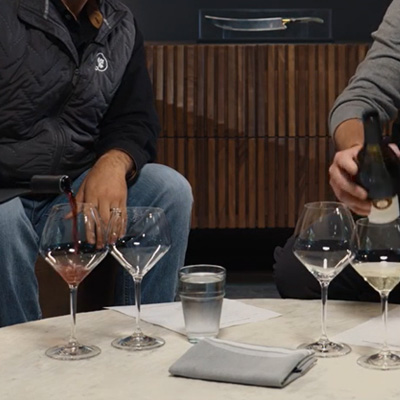
On April 22nd, we invite you to raise a glass with us, not just to the wine, but to the journey behind it. To the land that sustains us. To the people who care for it. And to the belief that the future of great wine depends on how we farm today.
Untitled design (73)

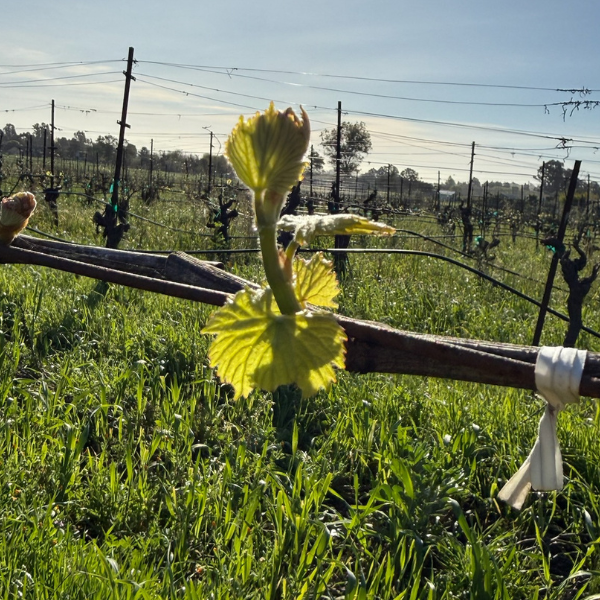
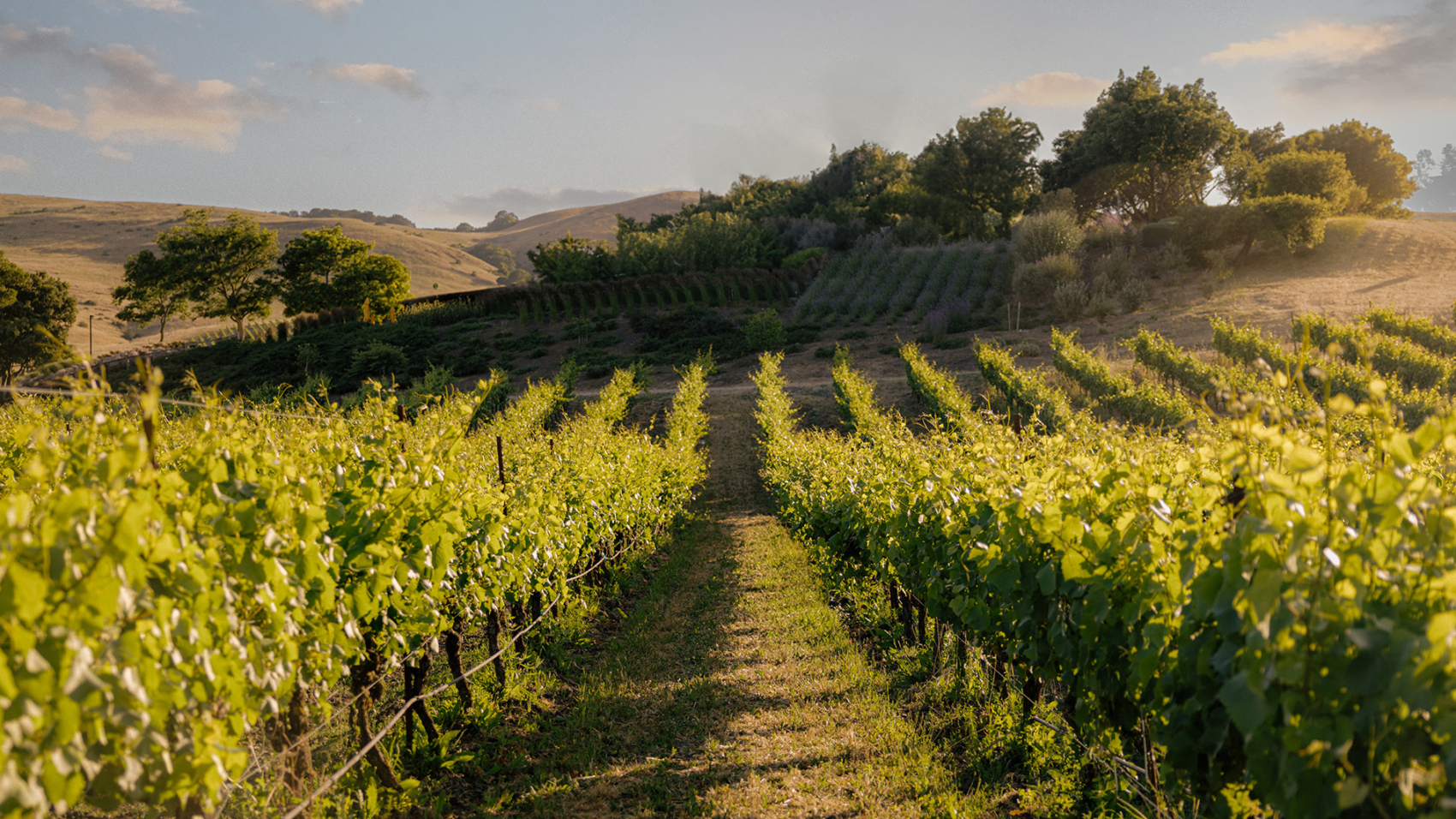
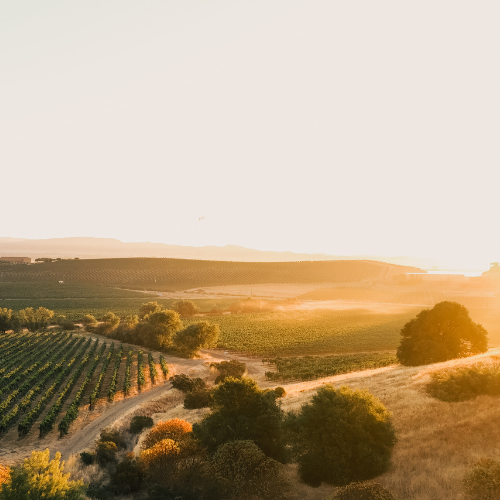
Vineyard in Spring

In the Vineyard: A Strong Start to the Season

The 2026 growing season is already off to an eventful and promising start across our estate vineyards.

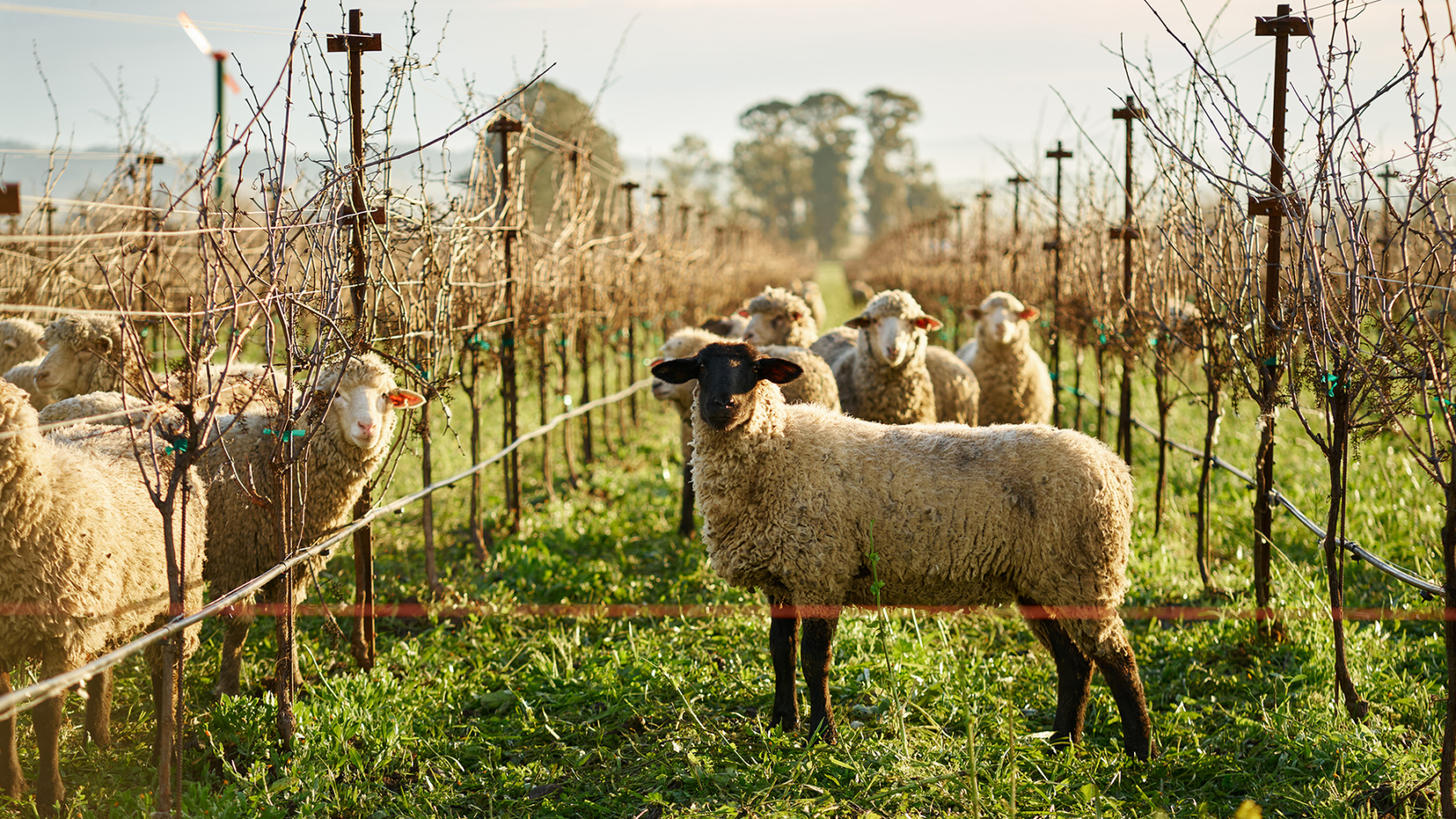
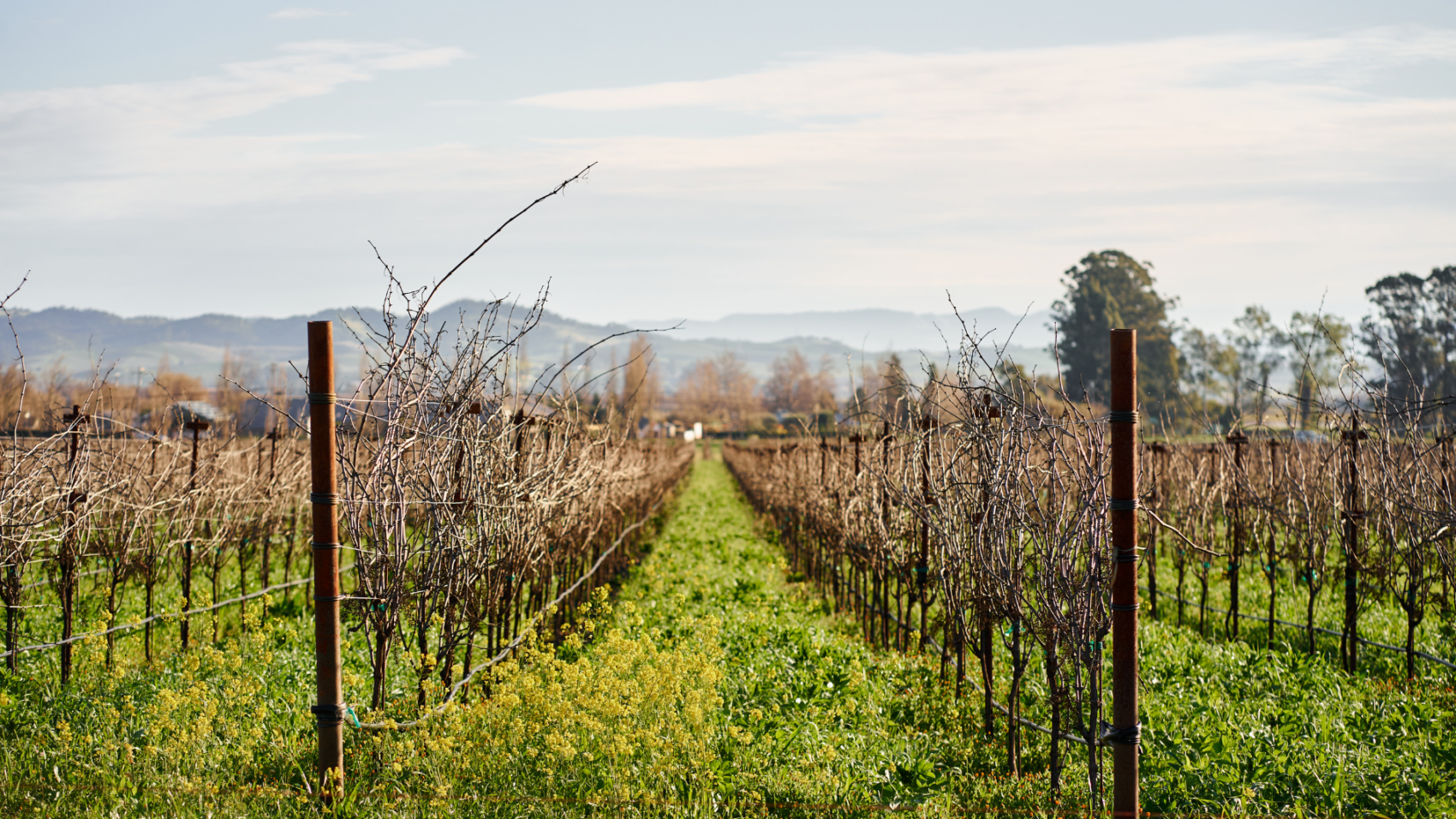
Winter arrived early this year, bringing heavy rains that gave our cover crop a strong start and encouraged vibrant early growth. By the first week of January, conditions were ideal to welcome a flock of 500 ewes and lambs, who began grazing through the vineyards—an important part of our sustainable farming practices.

As the season shifted, warm and dry conditions through January and early February created excellent conditions for pruning, while also supporting one of the healthiest cover crops we’ve seen in recent years.

During this time, our team also collected budwood from key estate blocks—including Chardonnay 130, Chardonnay 124, and Pinot Noir 870—which will be used to graft new vineyards this spring, continuing the legacy of our estate plantings.

Now, as pruning wraps up, the vineyard is beginning to awaken. Bud swell and early leafing are already underway, putting us about two weeks ahead of last year’s timeline.

With strong early growth and an active start to the season, 2026 is shaping up to be a dynamic year in the vineyard.

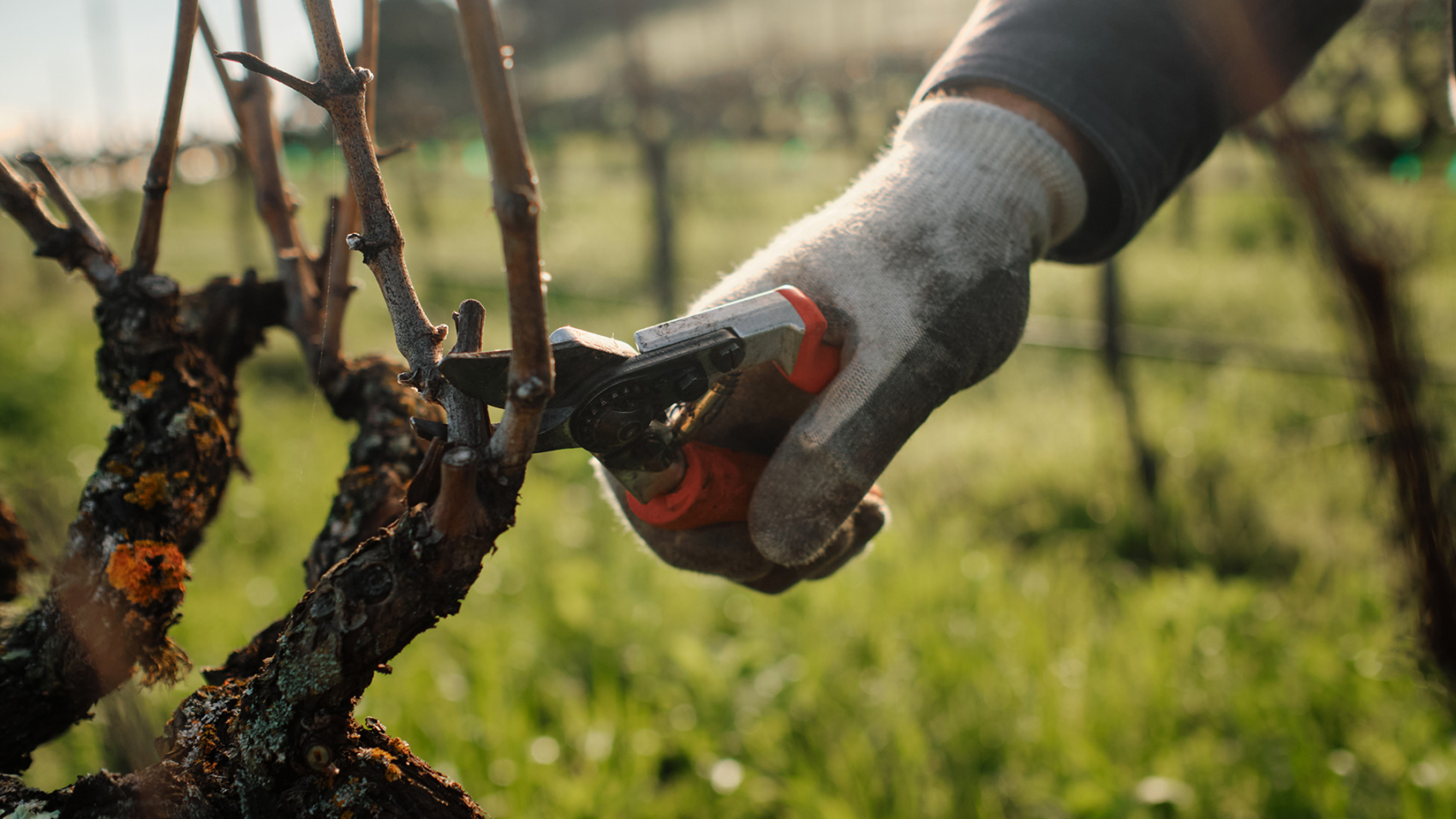
Pruning-Hero-Blog

Pruning in the Vineyard

Each winter, as the days grow shorter and the Carneros hills turn cool and green, our vineyards enter a season of rest. The vines shed their leaves and harden off, conserving energy to protect themselves from the cold months ahead. It’s during this quiet time that our vineyard team begins one of the most important rituals of the year: pruning.

Across nearly 300 acres—more than 300,000 vines—each vine is carefully pruned to rebalance the growth of the previous season and prepare it for the year to come. At its core, pruning is about intention. Vines are natural climbers, and without guidance they grow unruly, producing too many shoots and clusters that compete for energy. Left unchecked, this results in uneven ripening, smaller fruit, and a vine that is difficult to manage. Pruning brings the vine back into harmony, focusing its strength on fewer, healthier shoots and placing each cluster within the “fruit zone,” where conditions are more uniform and harvest is more precise.

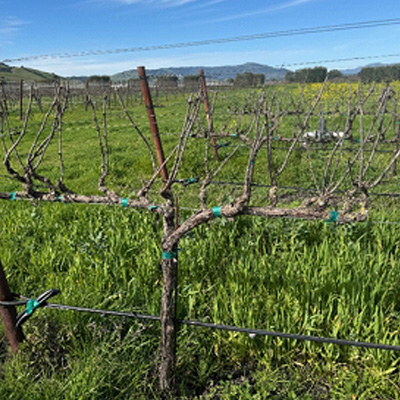
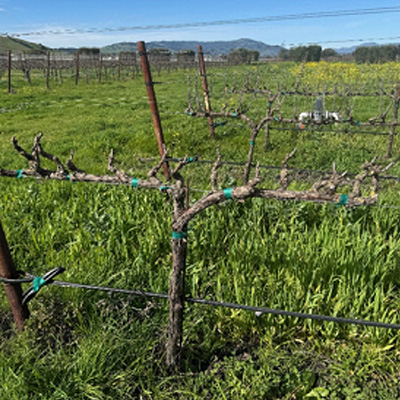
Most of our vineyards are trained using variations of a spur-cordon system, where permanent arms extend from the trunk and carry spurs that will produce shoots and fruit in the coming season. This means cutting back last year’s growth—sometimes canes stretching six feet or more—leaving just one to three buds to define the vine’s future. It is a practice that requires both discipline and foresight.

For Pinot Noir and Chardonnay, we often turn to cane pruning, also known as Guyot or long pruning. This method allows us to select one or more canes from the previous year and gently tie them to the wire, setting the foundation for the new season’s growth. Certain varietals and clones produce little fruit on their lower buds, and cane pruning helps improve both yield and uniformity while giving us greater control over vine vigor and balance.

Above all, pruning is a testament to the skill and dedication of our vineyard crew. Every vine is different, and every cut is a decision—one that must consider vine health, sap flow, structure, and long-term balance. Working through cold, wet winter days, our team brings decades of experience and an intimate understanding of vine physiology to each row. By the time the final vine is pruned, it feels less like finishing a task and more like completing a promise to the season ahead.

As we reach the midpoint of pruning, we’re reminded that great wines begin long before budbreak. With the groundwork laid and the vines carefully prepared, we look ahead with optimism—ready to see what the 2026 vintage will bring and confident in the hands and traditions guiding it forward.

Image of Chardonnay vine before Spur is Pruned

Image of Chardonnay Vine after Spur has been pruned

Image of cane pruned Pinot Noir vine in July

Image of spur pruned Pinot Noir vine in August

Sheep-Blog-Post

Sheep In The Vineyard

The Sheep Are Back: A Time-Honored Practice in Our Vineyards

If you visit Gloria Ferrer over the next few weeks, you may notice some unexpected new team members moving through our estate vineyards… Sheep! Their arrival isn’t a novelty or a photo op; it’s a purposeful return to one of the oldest vineyard practices in the world.

For centuries, European winegrowers relied on livestock to naturally manage vineyard floors as a part of integrated farming systems. At Gloria Ferrer, we’re proud to carry that tradition forward as part of our commitment to organic viticulture and responsible land stewardship.


Why Sheep Belong in the Vineyard

Sheep provide a natural, effective form of grazing that supports both vine health and soil vitality. As they move through the rows, they gently graze cover crops and weeds without disturbing the vines themselves. This reduces the need for mechanical mowing, lowers fuel use, and minimizes soil compaction helping to protect the living structure of our soils.

Their presence also contributes natural fertilization, returning organic matter directly to the vineyard floor, cycling nutrients back to the soil and improving soil microbiology. Healthy soils lead to healthier vines, and ultimately, more expressive wines.


Supporting Organic Viticulture

As a CCOF-certified organic estate, every decision we make in the vineyard matters. Sheep grazing allows us to reduce reliance on mechanical and material inputs while maintaining balance in the ecosystem. It’s a practical, proven solution that aligns with our belief that great wines begin with respect for the land.

Timing is key. The sheep graze during the dormant season and early growth periods, before bud break, ensuring vines are protected while maximizing the benefits to soil health and vineyard balance.


Many Additional Benefits

Our herd provides other services beyond controlling growth on the vineyard floor and nutrient cycling. By lowering the height of our cover crop they assist in vineyard airflow, helping to reduce the risk of spring frosts. As the cover crop grows tall it draws water from our winter soil reserves, keeping it grazed down reduces water loss leaving more water for our vines in the spring when they awake from dormancy.


Sustainability Rooted in Tradition

At Gloria Ferrer, sustainability isn’t about chasing trends, it’s about making thoughtful choices that will sustain this land for generations to come. Bringing sheep into the vineyard is a perfect example of how traditional practices can offer modern solutions.

It’s quiet work. It’s patient work. And it reflects our long-term view: caring for the vineyard today so it continues to thrive tomorrow.

So if you see sheep grazing among the vines this season, know they’re playing an important role in our organic journey and are helping us farm with intention, integrity, and respect for our land.