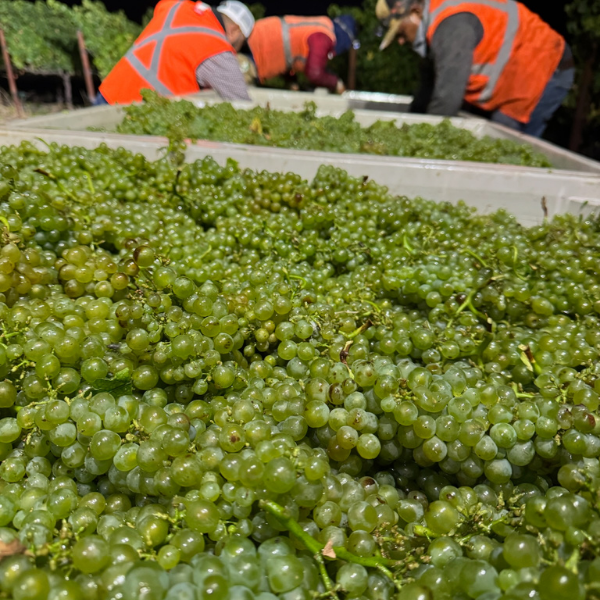
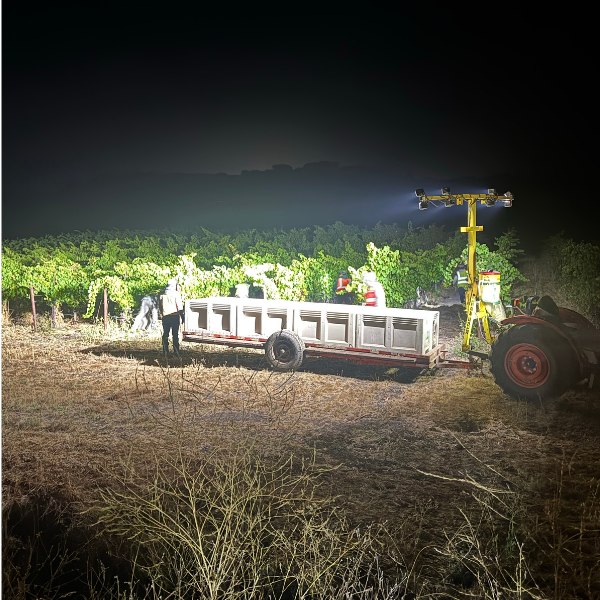
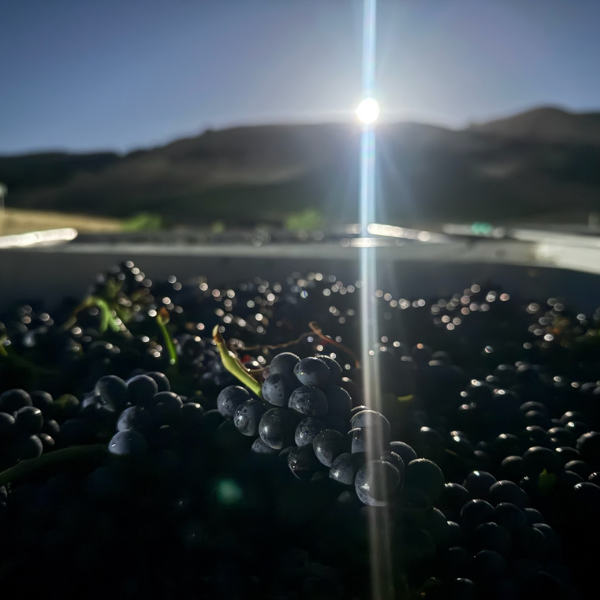
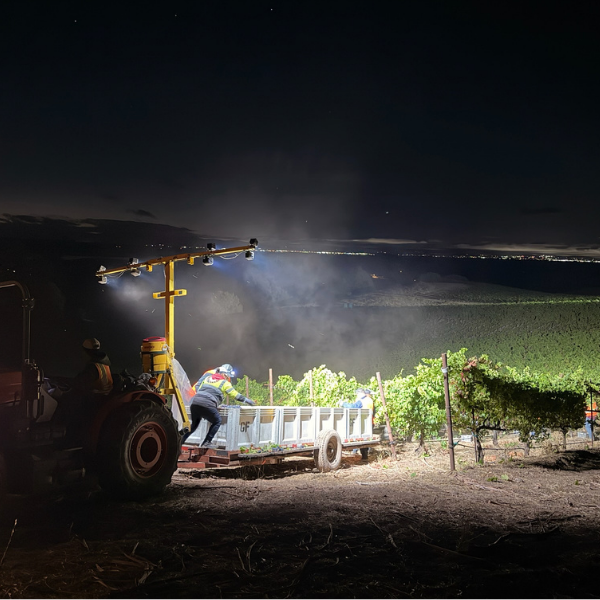
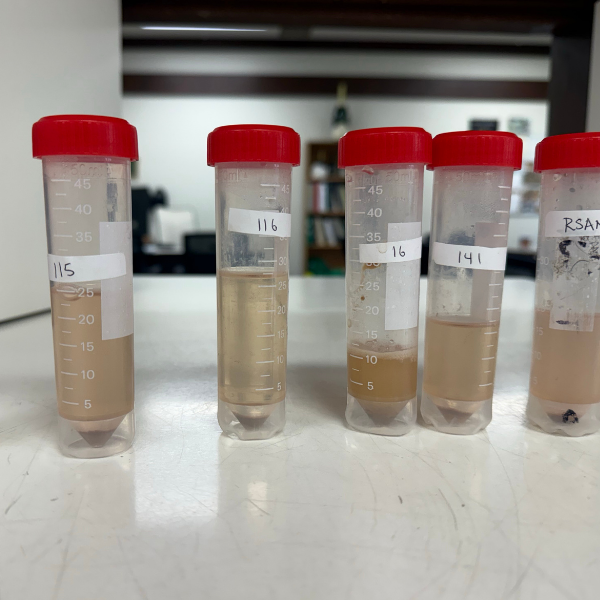
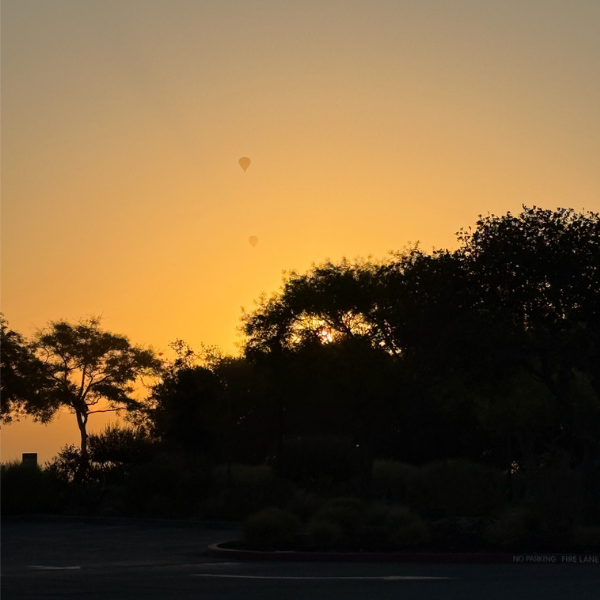
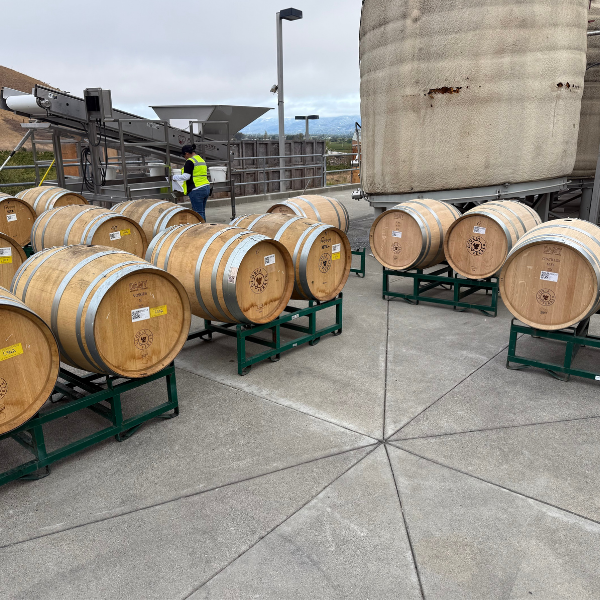
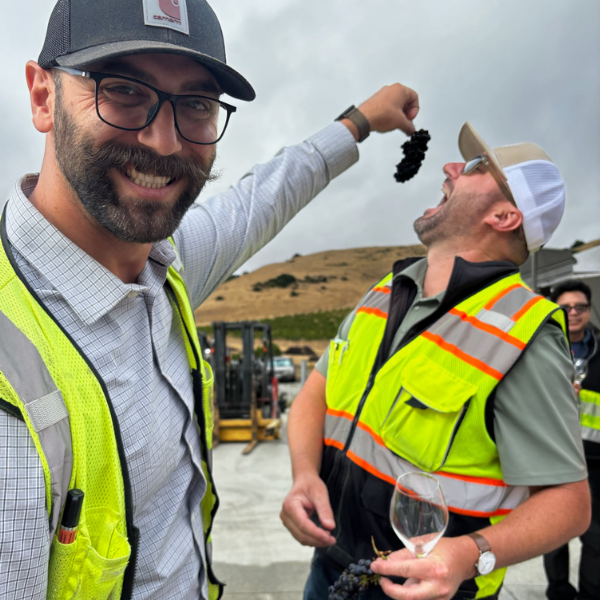
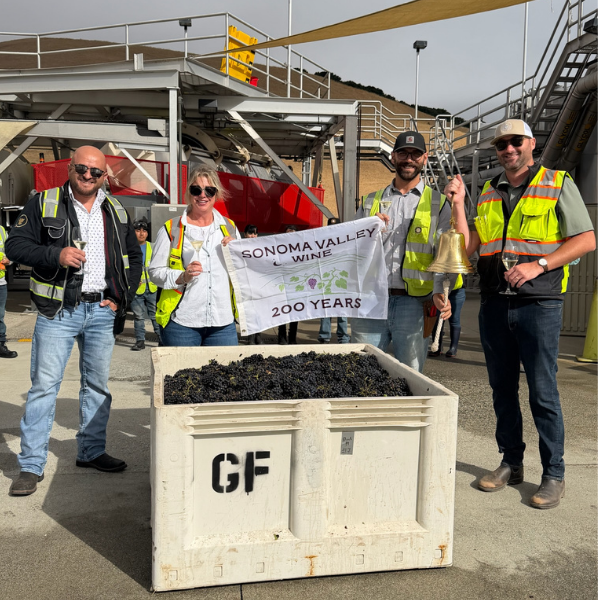
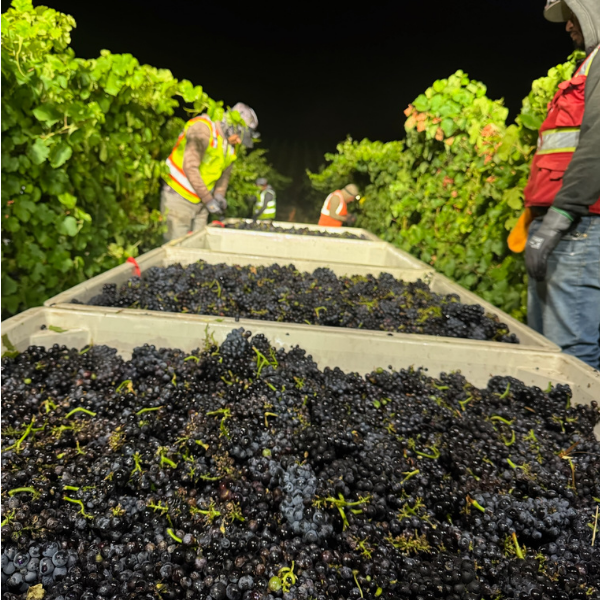
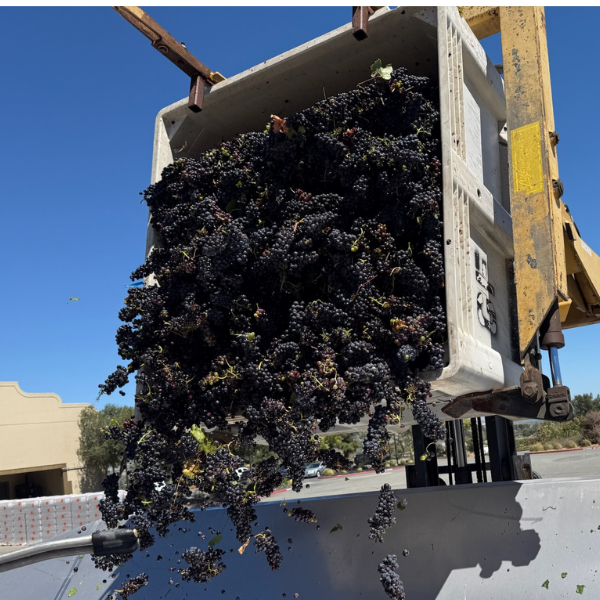
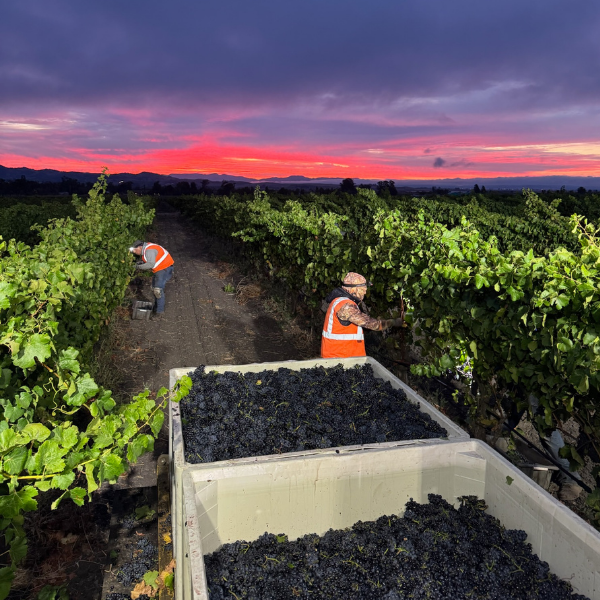
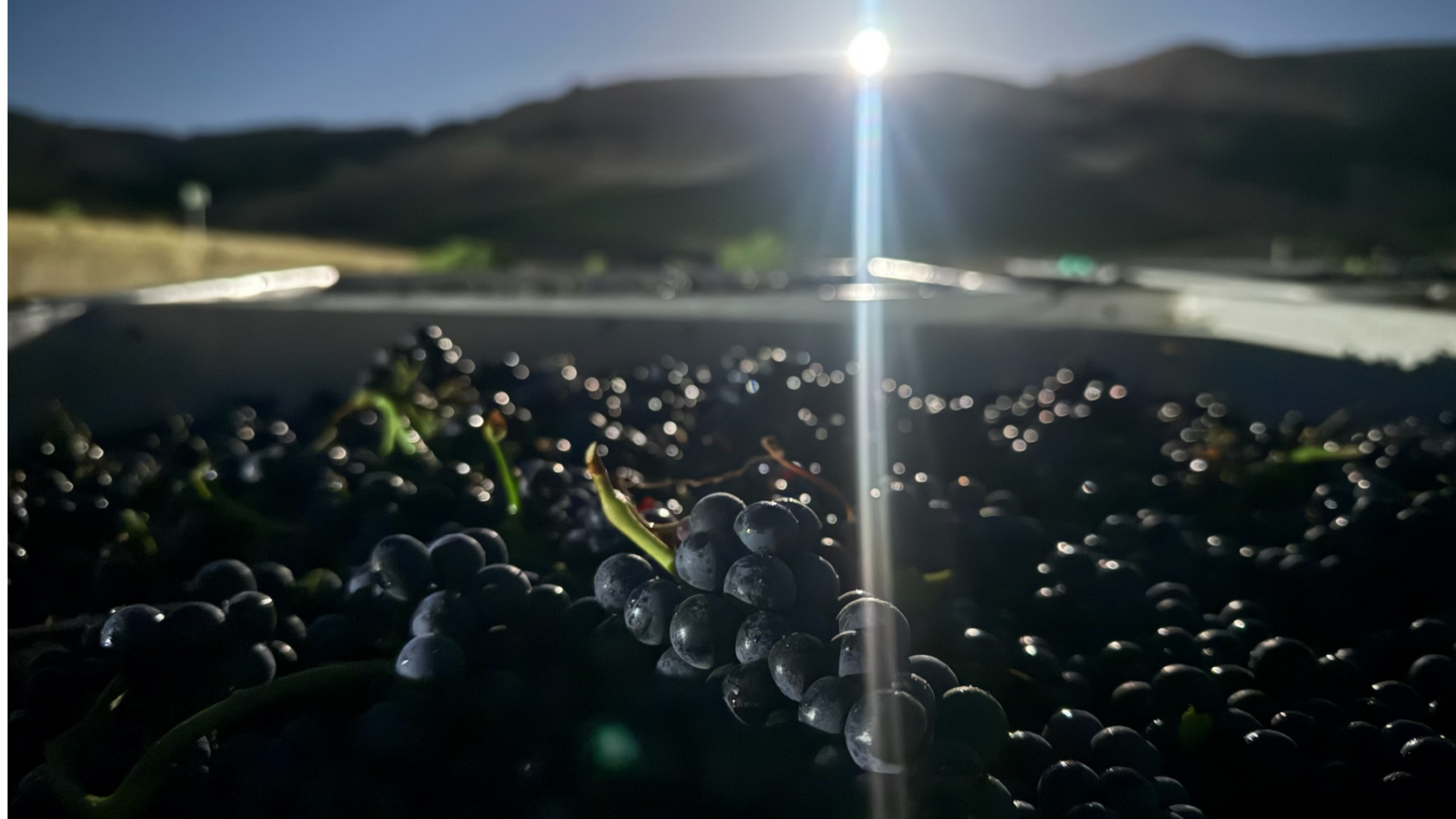
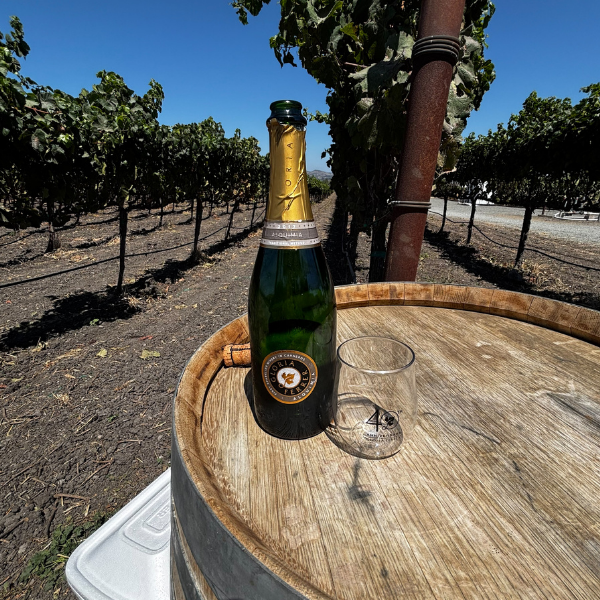
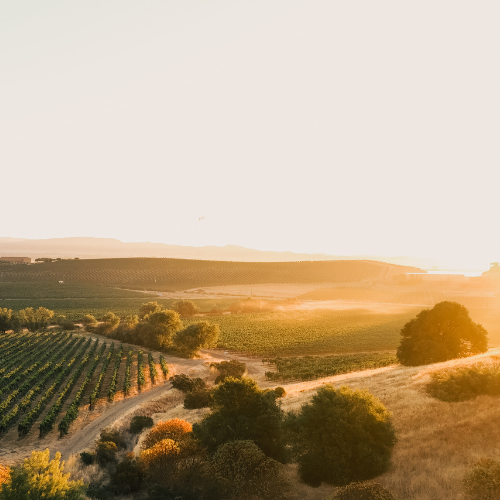
The 2026 harvest arrived early in Carneros, following a season of mild temperatures and ideal ripening conditions across our estate vineyards. Smaller berries brought beautiful concentration to the fruit while preserving the vibrant acidity and balance that are hallmarks of Gloria Ferrer.
Harvest began with Pinot Noir from our Circle Bar Ranch, destined for Carneros Cuvée Rosé, before moving through some of our most celebrated Pinot Noir and Chardonnay blocks. From Clone 32 Pinot Noir picked under the full moon to the earliest harvest of still wine in our history, each new pick offered another glimpse at the quality and character of the vintage.
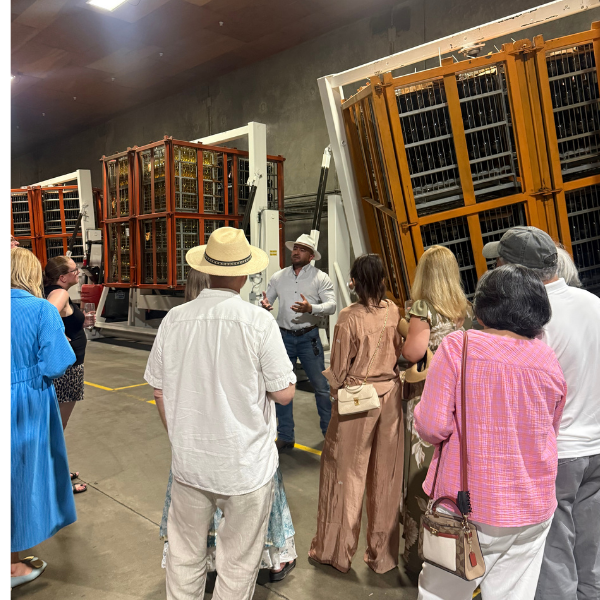
Inside the winery, the season unfolded through every stage of the winemaking process—from whole-cluster pressing and barrel fermentation to sorting our still-wine fruit and beginning the compost that will nourish the vineyards for seasons to come.
With sparkling and still wine fruit now in the cellar, 2026 is shaping up to be a vintage defined by purity, concentration, vibrant acidity, and exceptional balance—and one we’re especially excited to watch evolve.
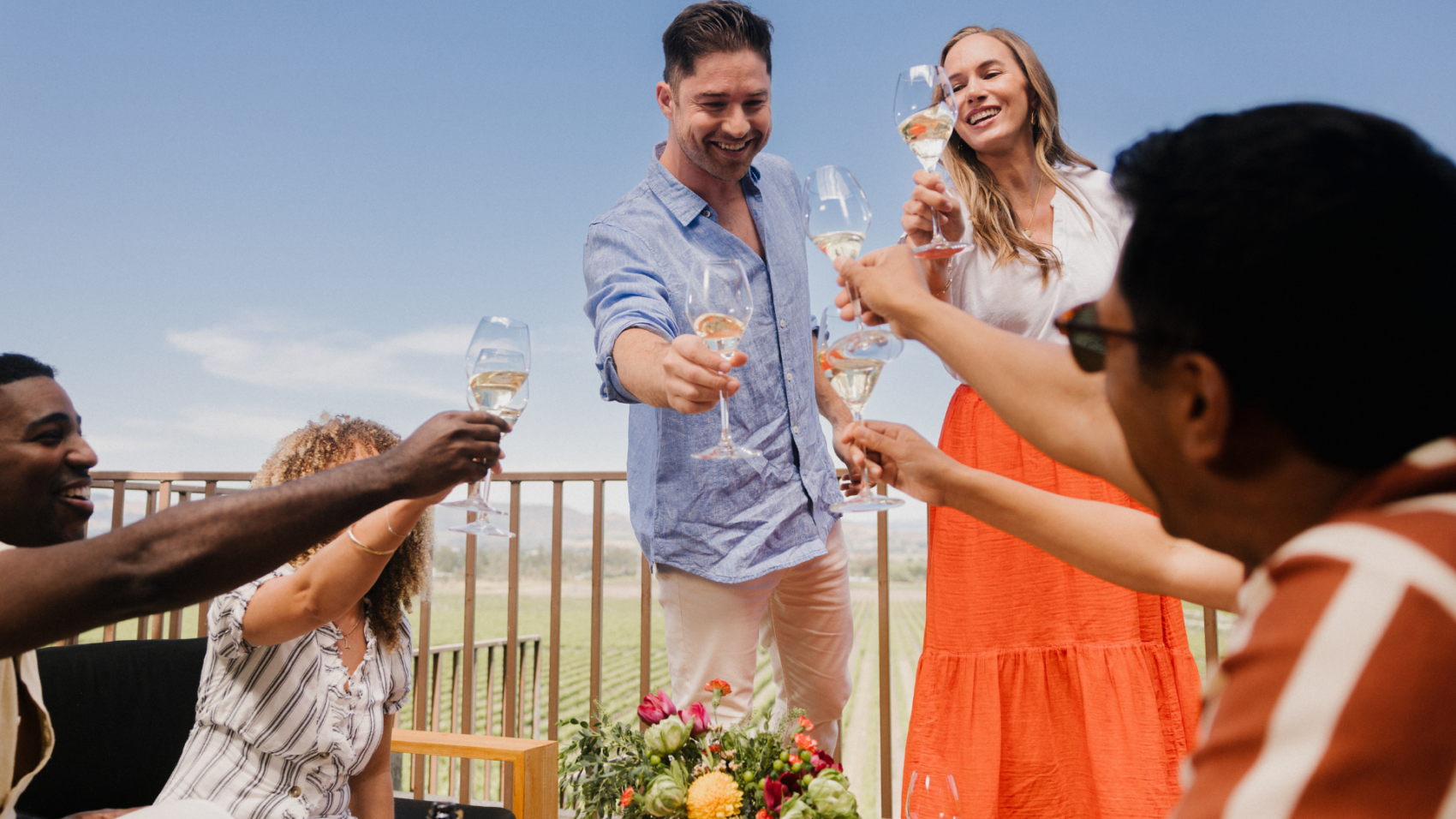
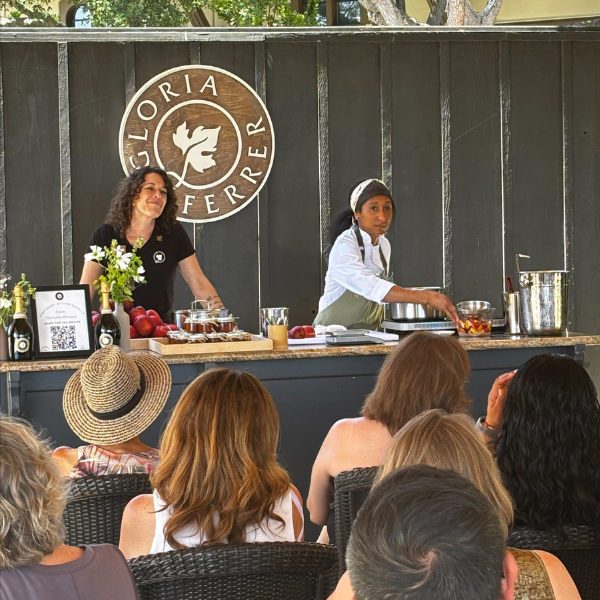
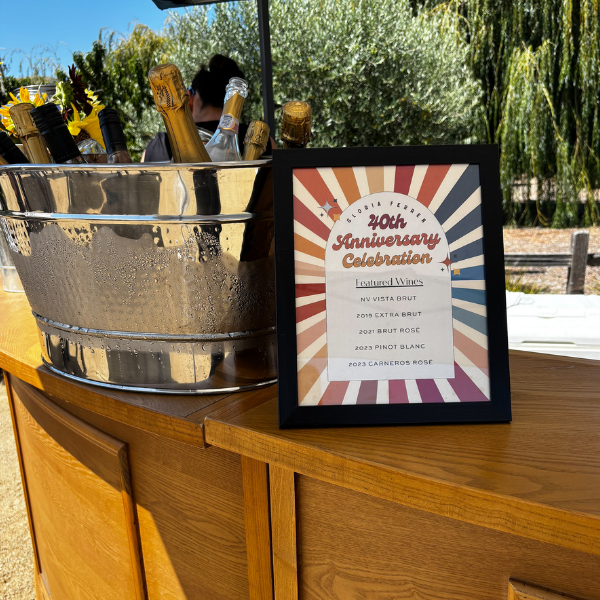
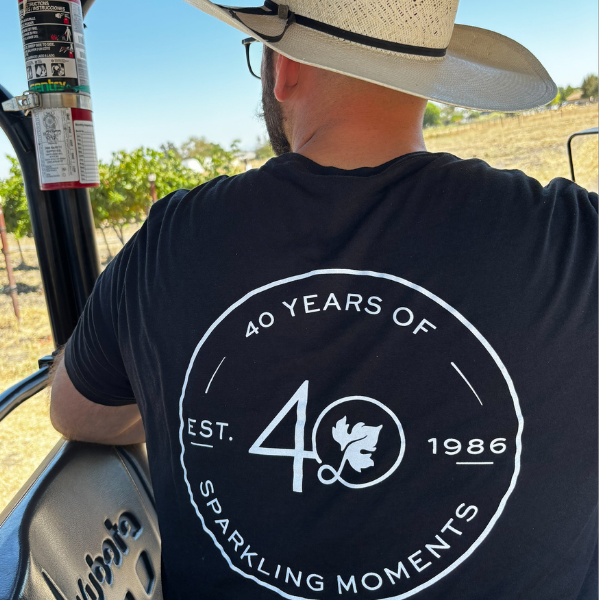
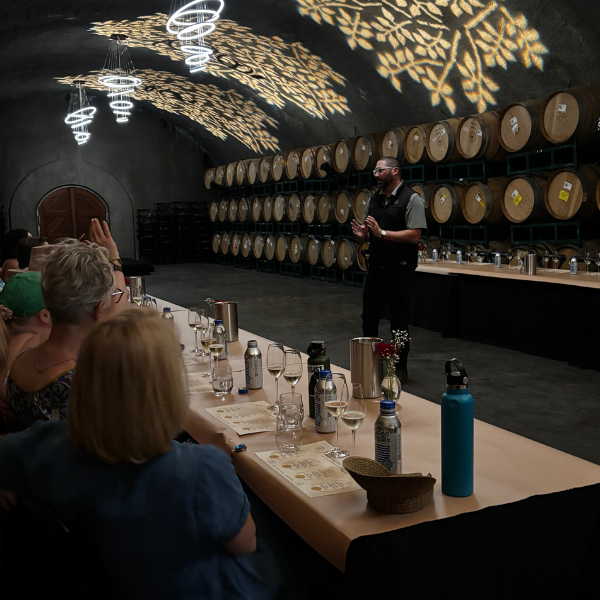
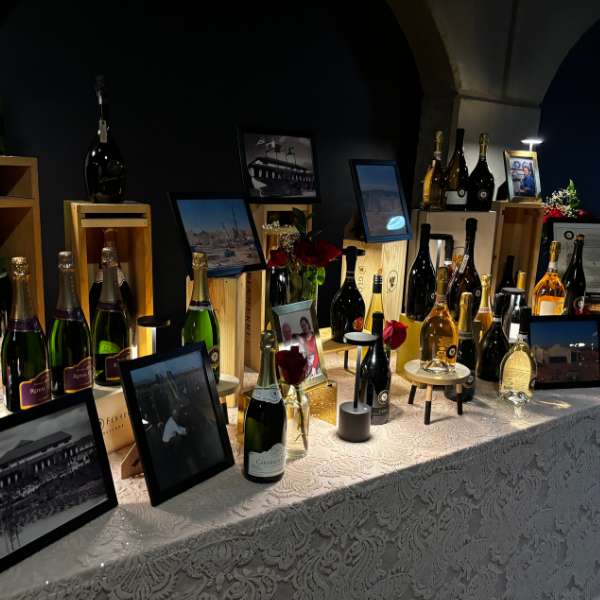
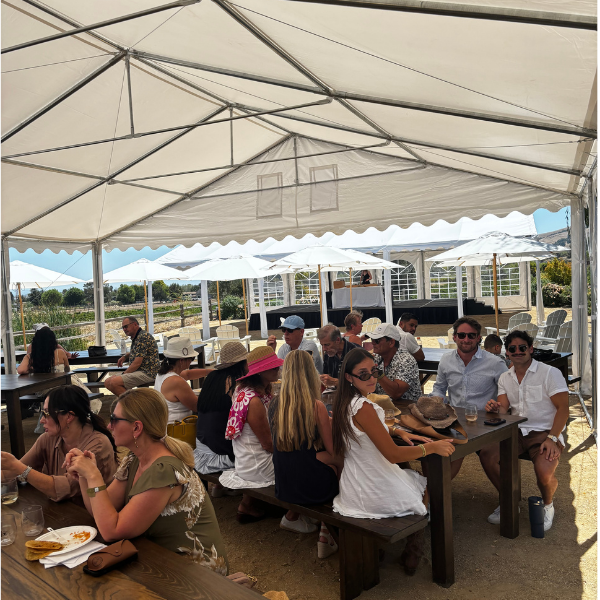
For 40 years, Gloria Ferrer has been part of life’s celebrations. This summer, we celebrated this special milestone with an unforgettable two-day anniversary experience at our Carneros estate—filled with exceptional wines, culinary offerings, live music, immersive experiences, and plenty of moments worth raising a glass to.
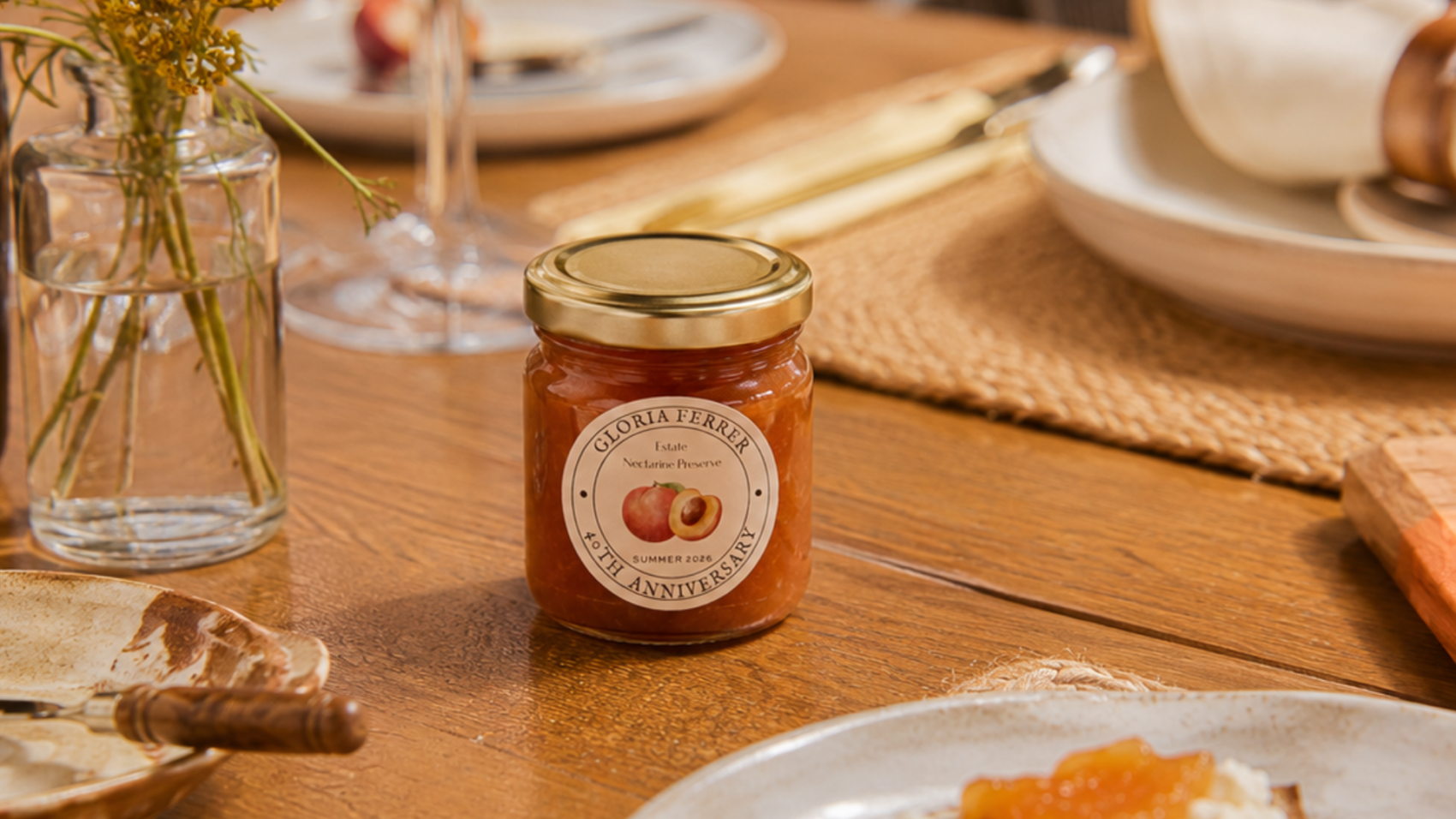
1000 g ripe nectarines, pitted and diced (skins on)
500 g granulated sugar
2–3 g food-grade citric acid
Pinch kosher salt
Directions
Combine the fruit, sugar, citric acid, and salt in a wide, heavy-bottomed pan. If time allows, let the mixture macerate for 30–60 minutes.
Bring the mixture to a lively boil. Continue cooking, stirring occasionally at first and more frequently as it thickens.
As the water evaporates, you’ll notice the bubbles change. They become larger, glossier, and slower, and the jam begins to coat the spoon.
Begin checking for doneness after about 15–20 minutes. Spoon a little jam onto the chilled plate and return it to the freezer for 30 seconds. Push it gently with your finger. If the surface wrinkles instead of immediately flowing back together, it’s ready.
Remove from the heat and skim off any foam if desired.
Storage
For immediate enjoyment, spoon the jam into a clean jar, cool completely, and refrigerate for up to 3 weeks.
If you’d like to make the jam shelf-stable, process it using an approved boiling-water canning method.
A Few Tips
Taste the fruit before you begin. Every harvest is different, so adjust the sugar to suit the fruit, not the recipe.
Leave the skins on. They add beautiful color, extra flavor, and save you a lot of work.
Once you understand the basic formula, you can make delicious jam with peaches, plums, apricots, berries, or a combination of your favorite seasonal fruit.
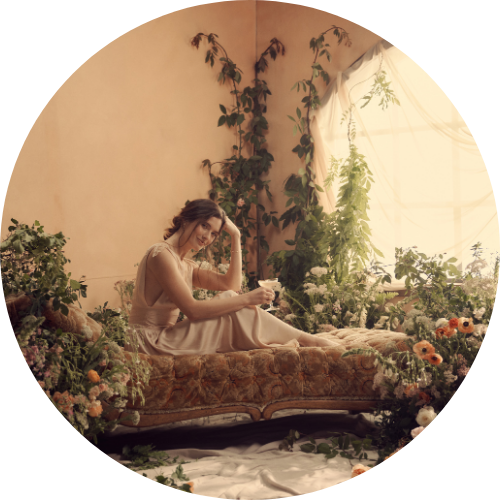
The Gloria glass was born from a desire to honor the woman who inspired it all.
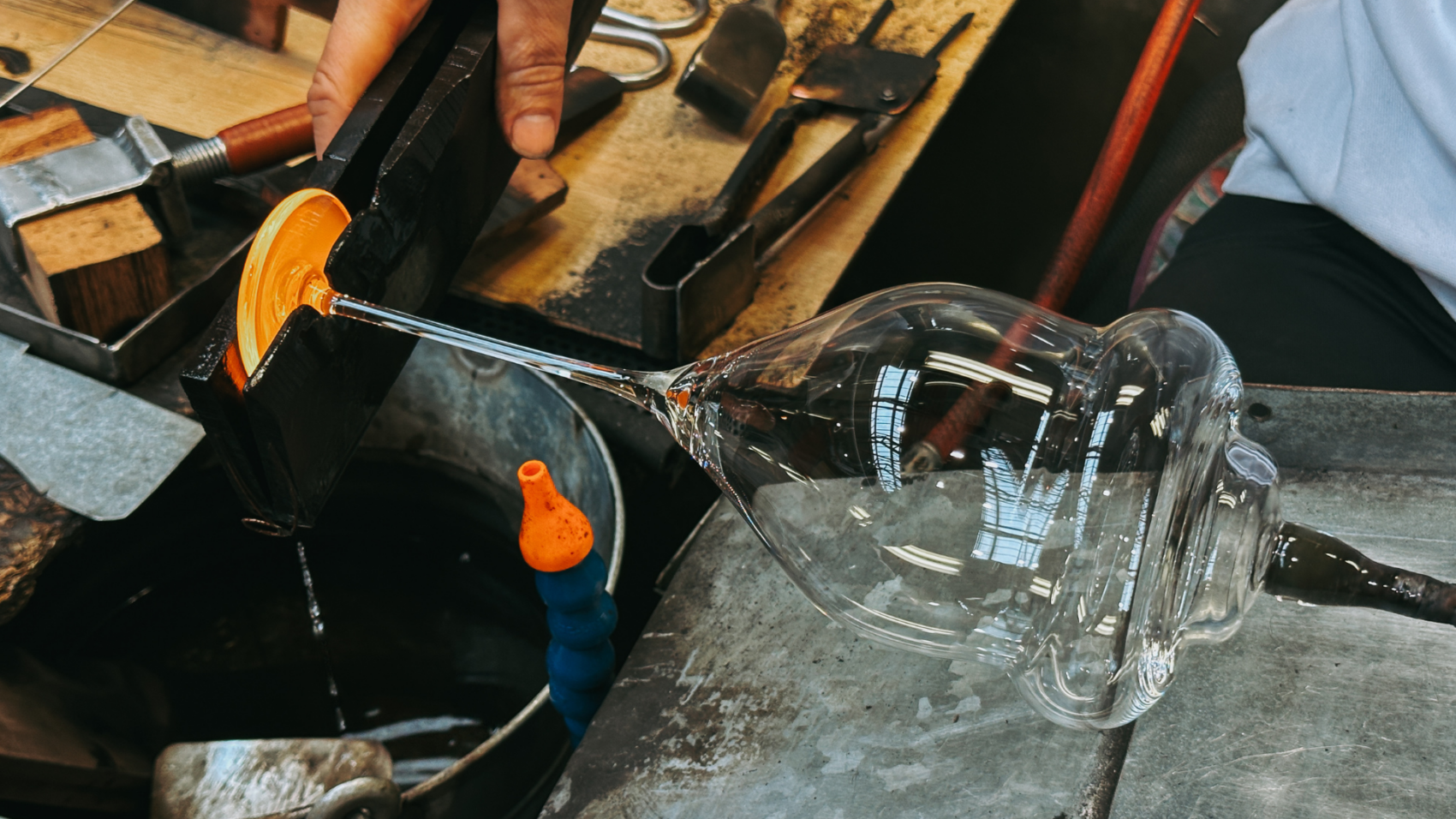
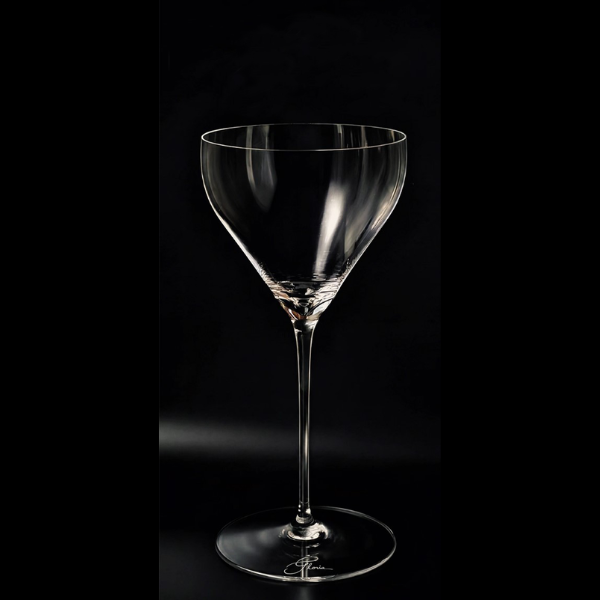
When Gloria Ferrer celebrated its 30th Anniversary, Gloria herself helped design a signature glass that embodied her sense of style—elegant, welcoming, and unlike anything else. Blending the graceful height of a flute with the celebratory openness of a coupe, it became affectionately known as the “Floupe”. It served as a symbol of the winery’s pioneering spirit.
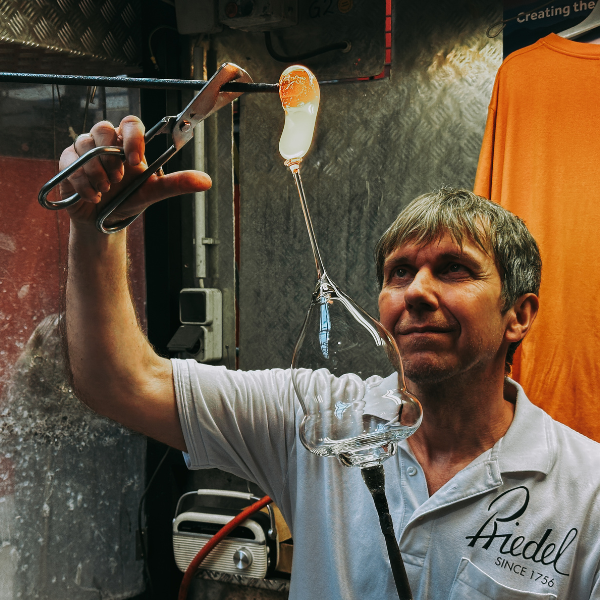
As we celebrate our 40th Anniversary, we look to that original design for inspiration. Rather than create something entirely new, we sought to evolve Gloria’s vision. Working alongside Riedel, we developed a glass that carries the DNA of the original while elevating every aspect of the sparkling wine experience. Its taller, more refined silhouette creates a greater sense of occasion, while the expanded bowl allows aromas to flourish and the wine’s complexity to shine. The carefully engineered shape promotes a longer, more elegant stream of bubbles, enhancing both texture and visual beauty.
Much like Gloria Ferrer today, this glass honors our heritage while embracing the future. It is a celebration of craftsmanship, innovation, and the remarkable woman whose name and spirit continue to inspire us forty years later. A glass designed not only to enjoy sparkling wine, but to savor the moments worth celebrating.
Innovation often begins with a simple question:What if we looked at tradition differently?
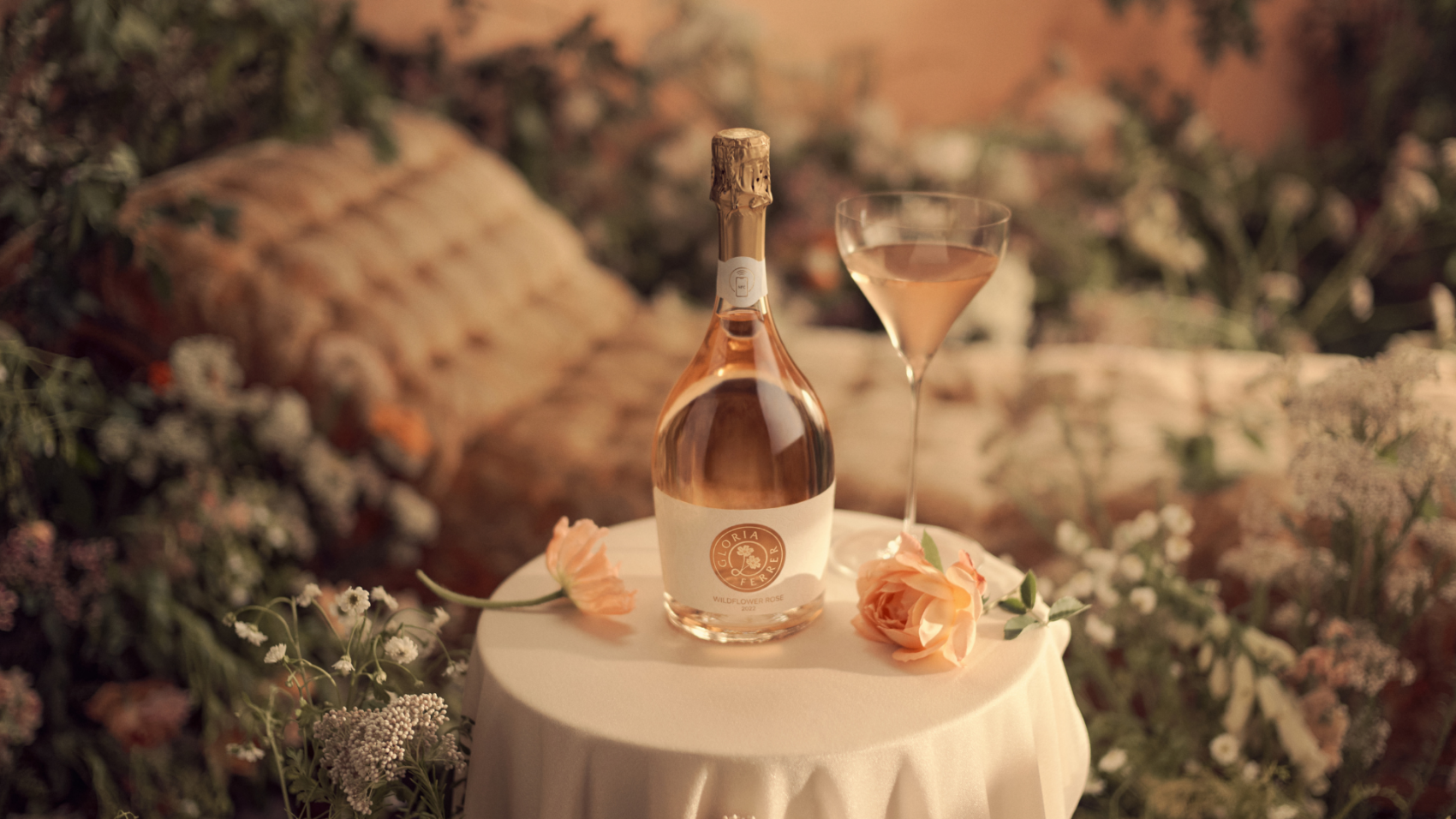
At Gloria Ferrer, that question inspired the creation of Wildflower—a sparkling rosé that represents more than a new wine. It marks the beginning of a new chapter in our sparkling winemaking journey, one rooted in curiosity, creativity, and a desire to explore new possibilities while honoring the craftsmanship that has defined Gloria Ferrer for four decades.
Honoring Tradition While Exploring New Ideas
As pioneers of traditional method sparkling wine in California, our commitment to quality and craftsmanship remains unchanged. But innovation has always been part of our story.
With Wildflower, we set out to explore a new approach to dosage—the final touch that shapes a sparkling wine’s balance and expression. Rather than relying solely on traditional methods, we asked ourselves how alternative ingredients might contribute to the complexity, texture, and character of a wine while remaining true to its identity.
The result is a vibrant sparkling rosé finished with locally sourced wildflower honey, creating a wine that is both innovative and unmistakably Gloria Ferrer.
Inspired by Nature
The inspiration for Wildflower can be found throughout our Sonoma estate.
Each spring, wildflowers bloom across the property, bringing color, beauty, and life to the landscape. These blooms serve as a daily reminder of Gloria Ferrer herself—her elegance, strength, and enduring connection to nature.
Just as important are the bees that make those blooms possible. The wildflower honey used in the dosage pays tribute to these essential pollinators and the vital role they play in sustaining the natural cycle that allows vineyards, gardens, and wild landscapes to thrive.
Together, the flowers and the bees became the heart of Wildflower’s story.
A Label Designed for the Next Generation
The spirit of innovation behind Wildflower extends beyond the wine itself.
The label was created in collaboration with Eurostampa North America through The Envelope Project, an initiative dedicated to supporting and mentoring emerging design students. Through this partnership, young creatives were given the opportunity to bring fresh ideas and perspectives to life, resulting in a design that reflects the wine’s themes of nature, creativity, and exploration.
The final label serves as a celebration of both artistic expression and the next generation of talent.
Bringing the Story to Life Through Technology
Wildflower also introduces another first for Gloria Ferrer: Near Field Communication (NFC) technology integrated directly into the neck label.
With a simple tap of a smartphone, guests can unlock an immersive digital experience that provides a deeper connection to the wine’s inspiration, craftsmanship, and creation.
This interactive technology allows consumers to engage with the story behind the bottle in a way that extends beyond the tasting experience itself.
The Beginning of Something New
Wildflower is more than a sparkling rosé—it is the first release in an ongoing exploration of how innovation can complement tradition.
By combining traditional method winemaking with new approaches to dosage, thoughtful design, and interactive technology, Wildflower represents our commitment to pushing the boundaries of flavor, expression, and possibility.
It is a celebration of nature, creativity, and craftsmanship—and the first step in an exciting new chapter for Gloria Ferrer sparkling wines.
April 22nd is a reminder of something we have always believed. Great wine begins with how you care for the land. At Gloria Ferrer, that responsibility has guided us for nearly 40 years. Farming in Carneros is not simply about growing grapes. It is about stewardship, understanding the land, respecting its rhythms, and making decisions that ensure it continues to thrive long into the future. Earth Day gives us a moment to pause and reflect on that responsibility. More importantly, it reinforces the way we work every day.
A Milestone Years in the Making
This year, Earth Day carries even greater meaning. We are proud to release our first wine made with 100% certified organic grapes, the 2025 Pinot Blanc, a milestone that represents a five-year journey of dedication, patience, and discipline.
Transitioning to certified organic farming required us to look deeper at every aspect of our vineyard practices. It meant committing to a long-term vision, trusting the process, and holding ourselves to a higher standard, one that prioritizes the health of the soil, the balance of the ecosystem, and the integrity of the fruit. Alongside this achievement, our estate vineyards remain Certified Sustainable, reflecting a broader, ongoing commitment to responsible farming practices that support both the environment and our community.
How We Farm Matters
Our philosophy is grounded in thoughtful, intentional farming, where each decision is made with care and purpose:
Organic farming, eliminating the use of all synthetic chemicals and pesticides from our vineyards
Minimal intervention, allowing the vineyard to express itself naturally
Utilize natural systems and cultural practices to protect our harvest from pests and disease
A dedicated vineyard team, whose deep knowledge of each vineyard and vine guides every action
Mindful water use, based on careful observation, years of experience and technology deployed in the field
These practices are not trends or temporary shifts. They are the result of years of learning, adapting, and refining, vintage after vintage.
Honoring the Past, Investing in the Future
As we celebrate our 40th anniversary, this moment is both a reflection and a commitment. We honor the legacy that established Gloria Ferrer as a pioneer in Carneros, while continuing to evolve with intention and purpose.
The 2025 Pinot Blanc is more than a new release. It is a symbol of progress, a reflection of our responsibility to the land, and a promise to carry that care forward for generations to come.
On April 22nd, we invite you to raise a glass with us, not just to the wine, but to the journey behind it. To the land that sustains us. To the people who care for it. And to the belief that the future of great wine depends on how we farm today.
The 2026 growing season is already off to an eventful and promising start across our estate vineyards.
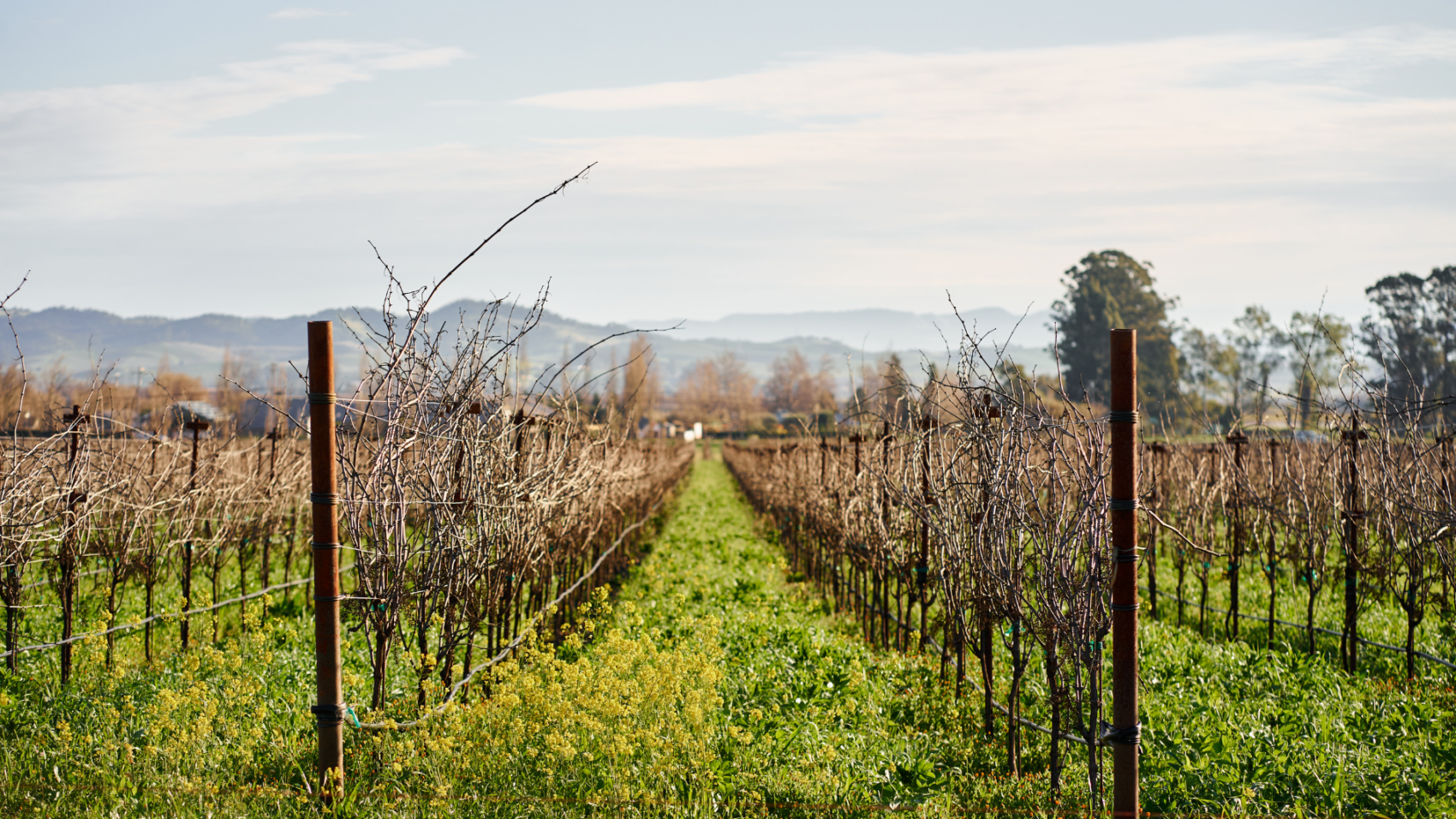
Winter arrived early this year, bringing heavy rains that gave our cover crop a strong start and encouraged vibrant early growth. By the first week of January, conditions were ideal to welcome a flock of 500 ewes and lambs, who began grazing through the vineyards—an important part of our sustainable farming practices.
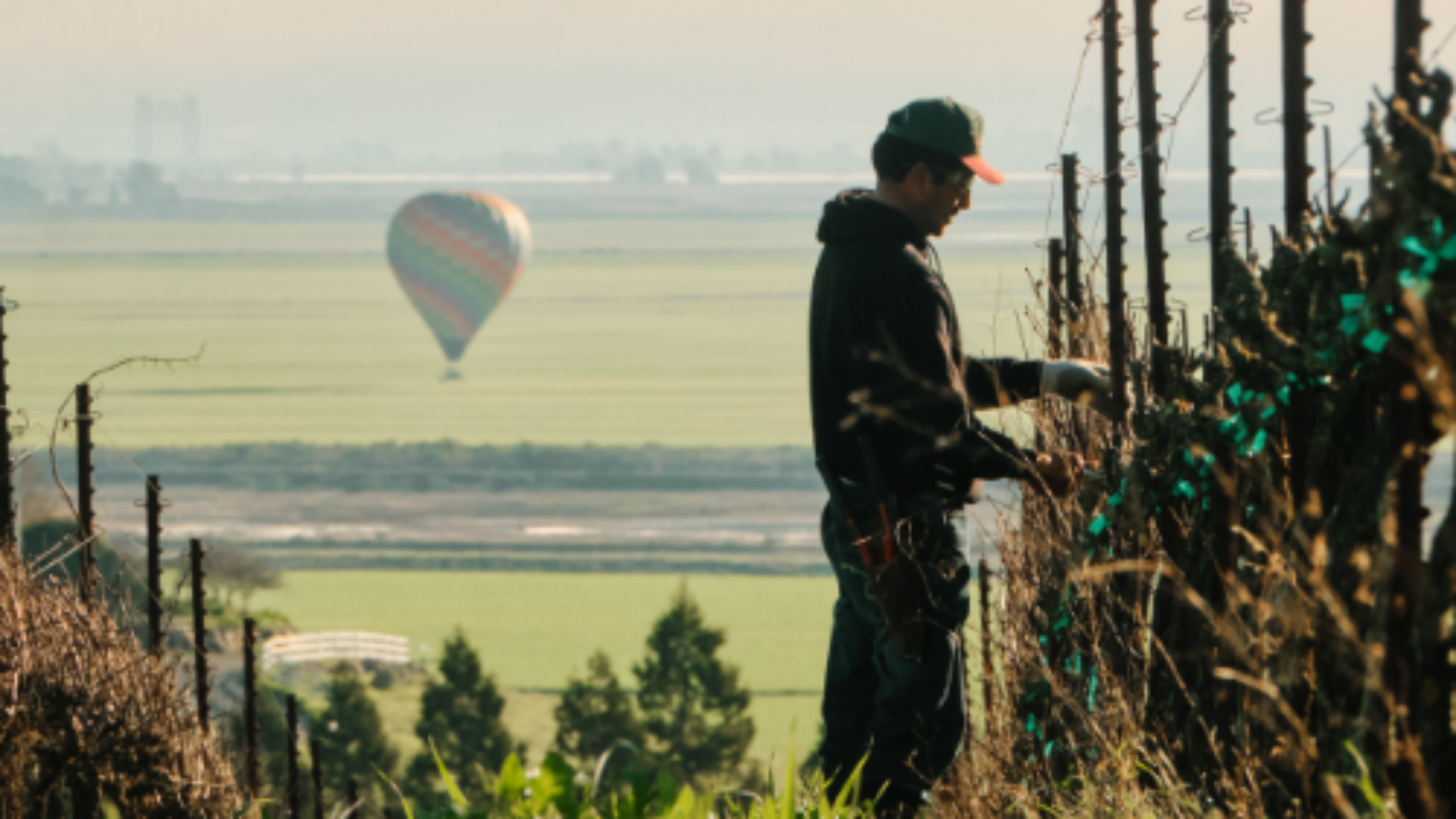
As the season shifted, warm and dry conditions through January and early February created excellent conditions for pruning, while also supporting one of the healthiest cover crops we’ve seen in recent years.
During this time, our team also collected budwood from key estate blocks—including Chardonnay 130, Chardonnay 124, and Pinot Noir 870—which will be used to graft new vineyards this spring, continuing the legacy of our estate plantings.
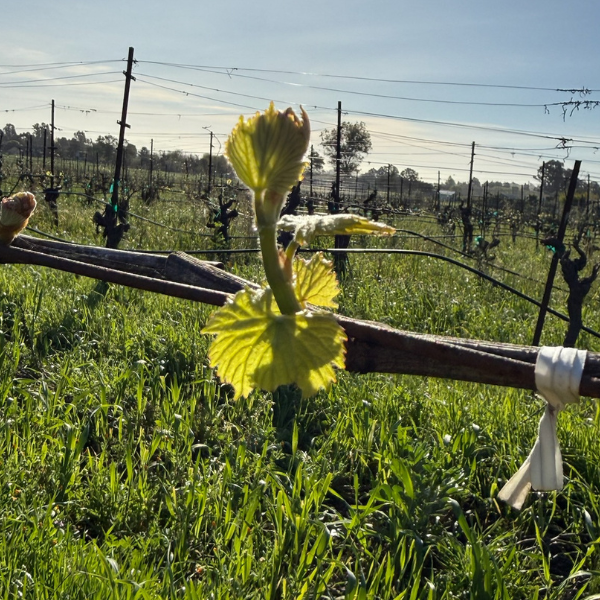
Now, as pruning wraps up, the vineyard is beginning to awaken. Bud swell and early leafing are already underway, putting us about two weeks ahead of last year’s timeline.
With strong early growth and an active start to the season, 2026 is shaping up to be a dynamic year in the vineyard.